
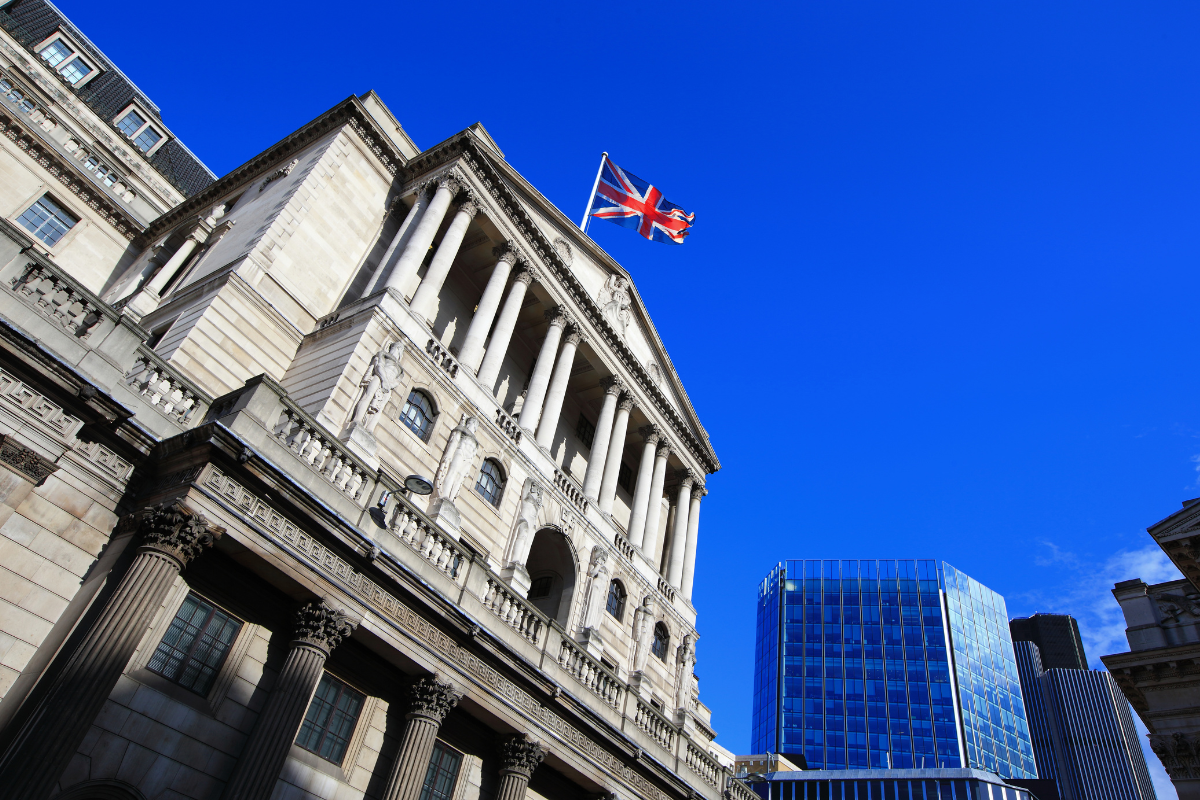
The Bank of England cut base rate to 4% on August 7, 2025, marking its fifth reduction in a year. This decision, made by a narrow 5–4 vote within the Monetary Policy Committee (MPC), highlights growing concern over the fragile state of the UK economy amid soaring food prices and rising unemployment. At the same time, the Bank issued a strong warning that inflation could spike to 4% by September—double the official target—driven largely by domestic wage growth, international trade tensions, and climate-related disruptions to food supplies.
While a lower interest rate can ease borrowing costs for households and businesses, the MPC emphasized the importance of cautious policymaking moving forward. This article explores the impacts of the Bank of England cut base rate on the UK economy, global markets, and everyday individuals, followed by an FAQ section and a call to action for financial guidance.
Impact on the UK Economy
Relief for Borrowers and Mortgage Holders
One of the most immediate benefits of a lower base rate is reduced borrowing costs. For individuals with tracker or variable‑rate mortgages, this change means smaller monthly payments and potential relief from mounting financial stress. Those with personal or business loans may also find financing more affordable, freeing up cash flow and boosting disposable income.
Encouragement for Business Investment
Lower interest rates can encourage businesses to borrow for investment. This includes upgrading technology, expanding operations, or hiring staff. For SMEs, which often rely on credit for growth, the cut can offer a critical lifeline—especially amid sluggish consumer demand.
Inflation Concerns and Food Price Shocks
Despite easing borrowing costs, inflation remains a key concern. The Bank warned that food inflation—driven by climate change and supply chain disruptions—could push the overall rate to 4% by September. Domestic factors, including increased labor costs and new government-imposed recycling regulations, are adding fuel to the fire.
Supermarkets have reportedly raised prices due to “material” increases in employee wages and packaging charges. This could erode the benefits of the rate cut for consumers, particularly lower-income households already facing affordability issues.
Impact on the British Pound and Trade
Interest rate cuts often lead to a weaker currency. The pound may lose value relative to the dollar or euro, which could make UK exports more competitive abroad. However, a weaker pound also increases the cost of imports, which may further intensify inflation—especially for goods like food and fuel.
Employment and Wage Pressures
While rate cuts might support job creation through increased investment, businesses are simultaneously facing higher costs due to a 6.7% rise in the national living wage and a £25 billion increase in employer National Insurance Contributions (NICs). As a result, companies may be forced to reduce staff or hold off on expansion, partially offsetting any gains from cheaper borrowing.
Consumer Confidence and Spending Behavior
Lower rates may support consumer confidence by reducing the cost of credit. This could boost spending in interest-sensitive sectors like housing, retail, and automotive. However, if inflation expectations rise, consumers might tighten their belts, limiting the overall impact of the rate cut on economic growth.

Global Implications of the Bank of England’s Move
Influence on Global Currency Markets
A lower UK base rate could weaken the pound, influencing global currency trading and capital flows. Investors seeking higher returns might shift their funds to economies with stronger interest rates, like the U.S., potentially causing volatility in the foreign exchange markets.
Trade Balance and Global Competitiveness
A weaker pound may improve UK export competitiveness, but global exporters targeting the UK could face reduced profits or pressure to cut prices. This dynamic may slightly alter trade balances with major partners like the EU, China, and the U.S.
Central Bank Coordination
The Bank of England’s decision may encourage other central banks facing similar inflation-growth tradeoffs to consider rate cuts or maintain dovish stances. However, divergent policies between central banks—such as between the UK and the U.S. Federal Reserve—could lead to capital reallocation and uneven recovery patterns across global markets.
Pressure on Developing Economies
Rising global food prices and commodity inflation—two contributors to the Bank’s decision—could disproportionately affect developing nations. Many of these countries are net importers of food and energy and may face heightened inflationary pressures and food insecurity.
Summary Table: Effects of the Bank of England Cut Base Rate
| Sector | Key Impact |
|---|---|
| Homeowners & Borrowers | Lower monthly payments, more affordable debt |
| Savers | Reduced returns on savings |
| Businesses | Cheaper credit, potential for more hiring and investment |
| Inflation | Risk of rising food prices and wage-driven costs |
| Currency & Trade | Potential GBP depreciation, export boost, import cost increase |
| Employment | Mixed effect—investment may rise, but rising costs could trigger job cuts |
| Global Markets | Volatility in FX markets, influence on international monetary policy |
FAQs: Understanding the Rate Cut for Everyday People
1. What is the Bank of England base rate?
It’s the interest rate the Bank of England charges commercial banks for borrowing money. This influences how much interest you pay on loans and earn on savings.
2. How does this affect my mortgage?
If you have a variable or tracker mortgage, your monthly payments may decrease. Fixed-rate mortgage holders won't see immediate changes.
3. Will my savings account earn less now?
Yes. Lower rates usually lead to lower returns on savings and ISAs. It's wise to compare rates and consider alternative savings or investment products.
4. Will things like food and petrol cost more?
Possibly. Inflation is still a threat—especially for food, due to rising global and domestic costs. The rate cut doesn't solve this but aims to support the broader economy.
5. Is this a good time to borrow money?
It might be. Lower interest rates can make loans and credit more affordable, but you should consider the full cost and whether your financial situation can support new debt.
6. Does this mean the UK economy is in trouble?
Not necessarily. The rate cut is meant to stimulate growth and ease financial pressure. But it also signals concern about weak economic data and rising inflation risks.

Looking Ahead: What’s Next for the UK Economy?
Bank Governor Andrew Bailey emphasized the need for caution, stating that while disinflation has taken hold over the last two years, temporary spikes—especially in food and energy—remain a risk. The Bank projects inflation will ease below 3% by mid‑2026 and return to its 2% target by 2027, but only if rate cuts proceed gradually.
With the next MPC decision due in a few months, all eyes will be on inflation trends, labor market data, and global economic developments. The challenge will be balancing growth support with price stability—without triggering further volatility.
Speak to a Financial Expert Today
Want to know how the Bank of England cut base rate affects your savings, mortgage, or investment portfolio?
Contact Global Investments today for a no-obligation financial consultation. Our advisors can help you:
- Reassess your mortgage and refinancing options
- Optimize your savings in a low-rate environment
- Make smarter investment decisions amid uncertainty
Your financial future deserves clarity—let’s create a plan that works for you.
This article is for general information only and does not constitute financial, legal or tax advice. Rules, prices and regulations change; verify current requirements with a qualified adviser before acting.