
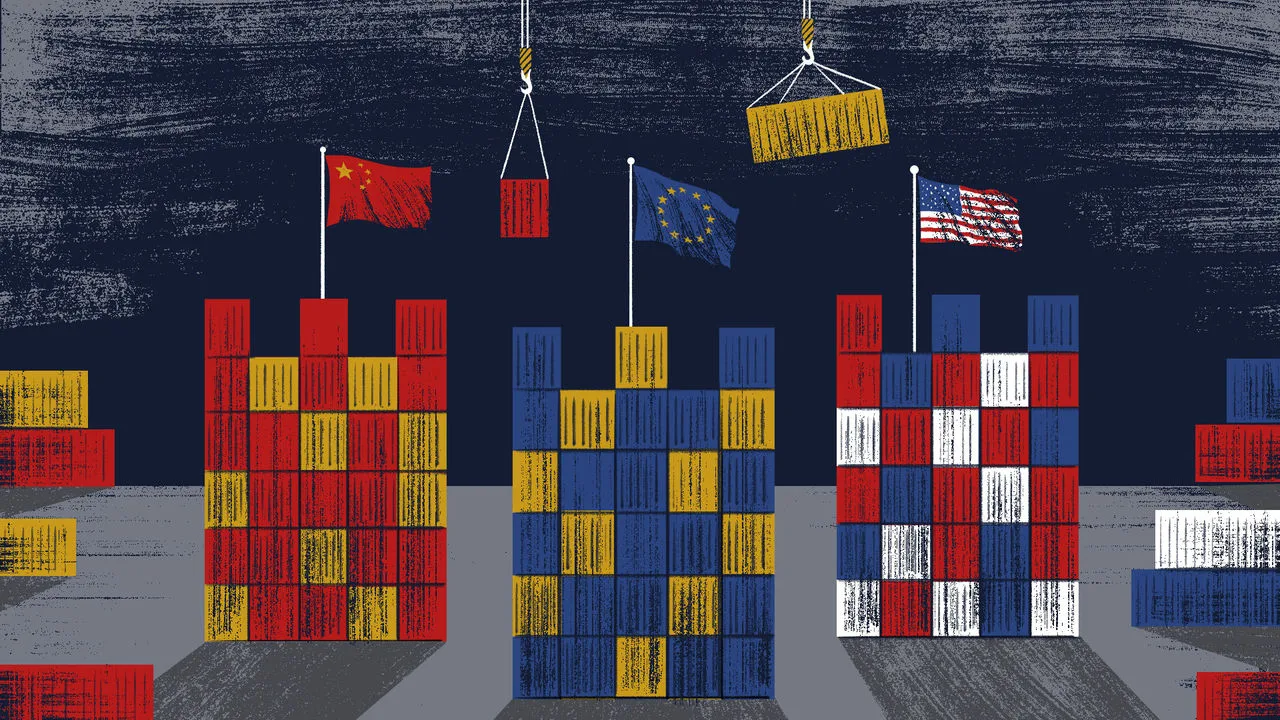
Tariffs, Tensions, and Investment Risks in 2025
Trade wars have returned to dominate global headlines, sending shockwaves through financial markets. With aggressive tariffs, retaliatory measures, and unpredictable geopolitical maneuvers, 2025 has brought renewed market uncertainty.
How trade wars are affecting the market is evident everywhere—from plunging consumer confidence to wild swings in stock indices. For investors, navigating this landscape requires a clear understanding of the risks and opportunities emerging from this escalating global battle.
Let’s dive into the driving factors and explore how this economic tug-of-war is reshaping global investments.
U.S. Tariffs and the Global Fallout
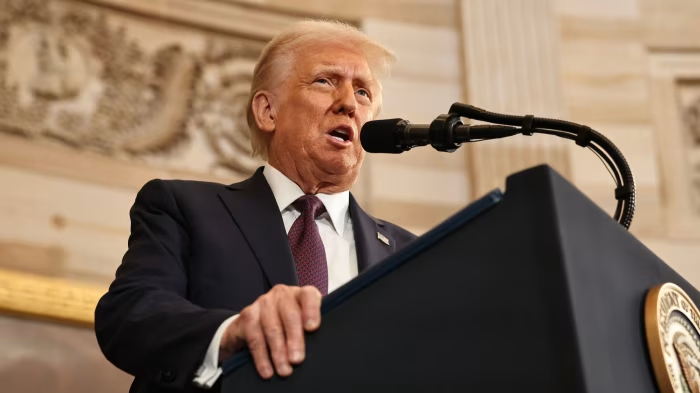
No conversation about how trade wars are affecting the market is complete without addressing the U.S. administration’s latest moves. In 2025, tariffs have become a favorite political weapon, used to gain leverage in ongoing trade disputes.
- Tariffs on Canadian steel and aluminum were threatened to double to 50%, only to be reversed within hours.
- A 200% tariff was imposed on European alcohol imports in retaliation for Europe’s tax threats on American whiskey.
These aggressive maneuvers create uncertainty and force companies to rethink supply chains, pricing strategies, and capital investments—all of which ripple through global markets.
Consumer Confidence Plunges: Early Warning Signs
Markets aren’t the only victims—consumer sentiment is also under siege. Recent reports reveal:
- The University of Michigan’s Consumer Sentiment Index dropped to 57.9—the lowest reading since 2022.
This steep decline highlights how trade wars are affecting the market at the consumer level. A worried consumer is less likely to spend, potentially slowing economic growth and sparking recession fears.
Is Short-Term Pain Worth the Gamble?
The U.S. government claims this approach is a calculated risk, with Commerce Secretary Lutnick suggesting they expect to “own the economy” by Q4. But history shows such gambles rarely pay off without lasting consequences.
Trade wars are notorious for:
- Increasing inflation
- Eroding global trade relationships
- Pushing economies toward recession
If inflation rises and trade deteriorates further, the anticipated rebound might remain out of reach.
Inflation Drops—But Can It Last Amid Tariffs?
Recent inflation data provided a temporary sigh of relief:
- Headline US CPI slowed to 2.8% YoY
- Core US inflation eased to 3.1%, the lowest since early 2021
Still, these gains remain fragile. With major new tariffs looming, particularly the April 2nd round, inflation could resurge. It’s a perfect example of how trade wars are affecting the market by complicating central banks' efforts to stabilize prices.
Central Banks Under Pressure Worldwide
The global economic response shows the widespread reach of this trade war-driven turmoil.
Canada:
- BoC cuts rates by 25bps to 2.75%
- Attempting to shield the economy from trade fallout while navigating political uncertainty
United Kingdom:
- GDP contracted 0.1% in January
- Persistent inflation and high taxes deepen economic woes
- Government blames U.S. trade policy—but domestic policy failures also play a role
Europe:
- Germany launches a massive €500 billion defense fund
- Despite calls for fiscal discipline, debt levels rise, reflecting growing market stress
Central banks globally are trapped in a complex balancing act, caught between managing inflation and avoiding recession—another clear sign of how trade wars are affecting the market.

Market Reactions: Flight to Safety Continues
Global markets are responding as expected—dumping risk and chasing safety:
- S&P 500 officially enters correction territory, falling over 10% from February highs
- Breaching the 200-day moving average triggers more selling pressure
- "Buying the dip" is no longer the go-to strategy, as fears mount
Where Are Investors Flocking?
- U.S. Treasuries: Two-year yields climb above 4%, 10-year notes offer stable 4.30%
- Gold: Hits a record $3,000 per ounce, driven by demand from central banks and investors seeking a hedge
Gold’s Rise: Trade Wars Fuel the Safe Haven Surge
Gold is proving to be the standout performer in 2025—a direct reflection of how trade wars are affecting the market:
- Central banks in emerging markets reduce U.S. dollar reserves, turning to gold
- Traditional correlations between gold and real yields are breaking down, showing gold’s independent strength in crisis
- Geopolitical uncertainty adds fuel to the rally
How Should Investors Respond?
With trade wars escalating and markets under pressure, it’s time to rethink your investment strategy:
✅ Review Your Risk Exposure: Avoid heavy investments in sectors exposed to tariffs and global trade
✅ Boost Defensive Holdings: Focus on bonds, gold, and stable sectors like healthcare and utilities
✅ Diversify Internationally: Spreading investments globally reduces over-reliance on any single economy
✅ Monitor Central Banks: Their responses will provide crucial market direction in the coming months
FAQs: How Trade Wars Are Affecting the Market
1. How do tariffs impact stock markets?
Tariffs raise production costs, disrupt supply chains, and reduce corporate profits—leading to stock market sell-offs, especially in trade-sensitive sectors.
2. Why is gold benefiting from the current trade wars?
Gold is seen as a safe-haven asset. As trade tensions increase market risk, investors buy gold to protect their wealth, driving prices higher.
3. Will the Federal Reserve cut interest rates if trade wars escalate?
While recent inflation data is cooling, new tariffs could spark fresh inflation. The Fed may hold off on cuts or even hike rates if inflation surges.
4. How do trade wars affect global economic growth?
Trade wars slow down international trade, reduce business confidence, and increase costs, leading to slower global economic growth or even recession.
5. Are there specific industries that suffer most from trade wars?
Yes. Industries heavily reliant on imports or exports—like automotive, technology, and agriculture—are typically hit hardest by tariffs and retaliatory measures.
6. What’s the long-term impact of ongoing trade wars on emerging markets?
Emerging markets often suffer as global trade contracts. However, some may benefit if supply chains shift away from warring countries like the U.S. or China.
Protecting Your Portfolio in an Uncertain World
As 2025 unfolds, it’s clear that how trade wars are affecting the market is not just a headline—it’s a daily reality shaping investment strategies worldwide.
With aggressive tariffs, strained diplomatic ties, and rising inflation risks, the smart move is to prioritize diversification, seek defensive assets, and stay vigilant. Global Investments is here to help you navigate these challenging times.

Ready to Secure Your Future? Talk to Global Investments Today!
Get expert international financial planning and investment guidance tailored for these uncertain times. Contact Global Investments and let us help you protect and grow your wealth—even in volatile markets.
🌍 Global Investments – Your trusted partner in global wealth management.
**External Resource: **Investopedia – How Trade Wars Affect Markets
This article is for general information only and does not constitute financial, legal or tax advice. Rules, prices and regulations change; verify current requirements with a qualified adviser before acting.